主題十一:種瓜得瓜
11.1)種瓜得瓜(理論)-- 2026.08.01
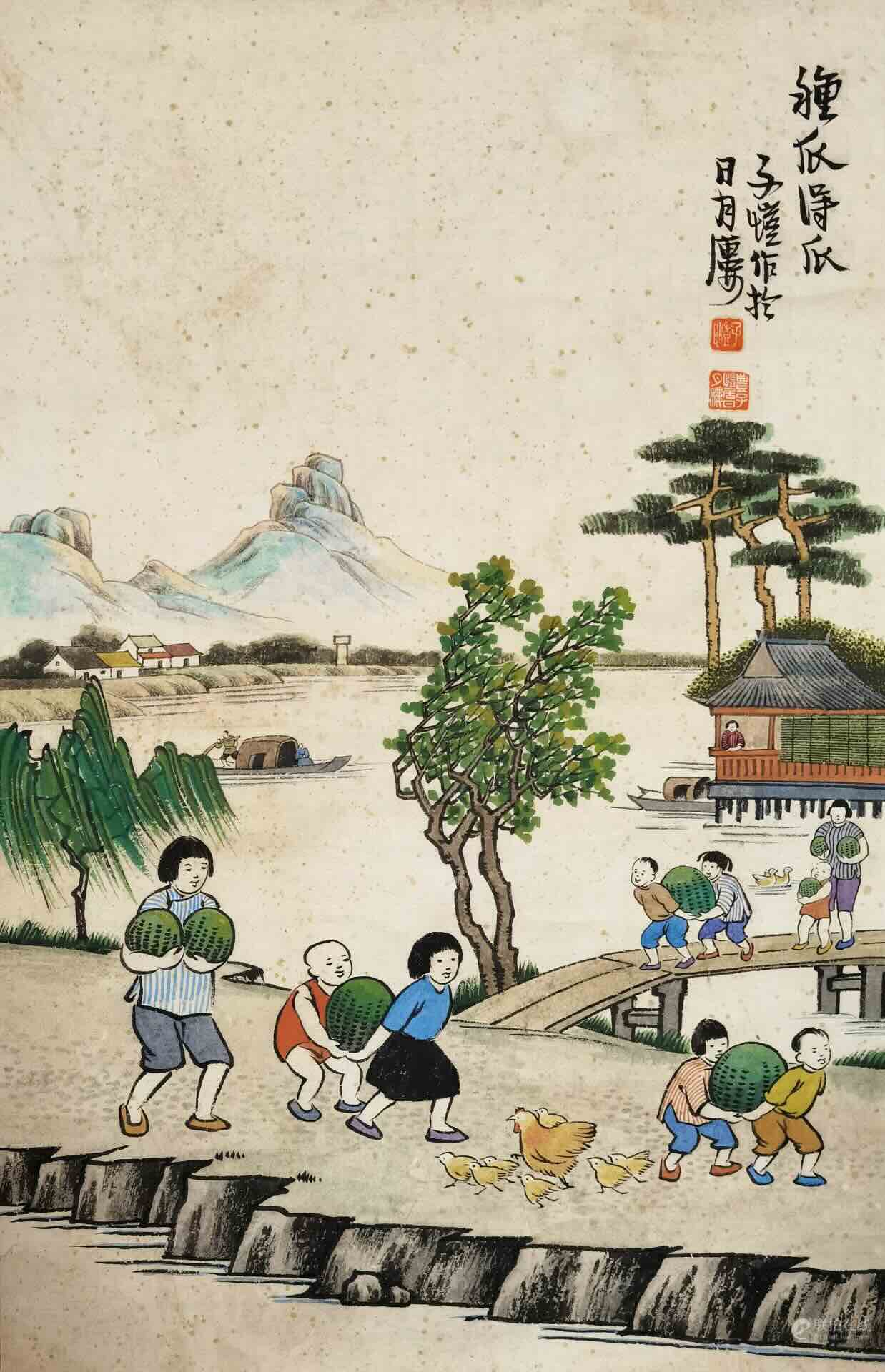
「種瓜得瓜」比喻種什麼收什麼,做了什麼事,就會得到什麼樣的結果。強調「因果關係」與「天道酬勤」。無論是在工作、學習或為人處世上,付出多少努力或善行,就會有相應的回報或後果。原為佛教用語,見於《涅槃經》,意指種瓜得瓜,種李得李,喻指因果報應。【來源:Aperçu IA】
先天失明:一個人受苦,並不表示他罪有應得。
「深化班」學員必須觀看以下兩項AI版的「種瓜得瓜」視頻及網頁,作課前預備
*********************
「種瓜得瓜」課堂簡報
課堂簡報 (Prezi)
課堂簡報 (.pdf - 2.9 Mb)
課堂錄影 (Youtube)
學員可各自閱讀以下參考資料:
馮夢龍(1574—1646):喻世明言.卷二九.32.《月明和尚度柳翠》
這日正值柳翠西湖上游耍剛回,聽得化緣和尚聲口不俗,便教丫鬟喚入中堂,問道:「師父,你有何本事,來此化緣?」
法空長老道:「貧僧沒甚本事,只會說些因果。」
柳翠問道:「何為因果?」
法空長老道:「前為因,後為果;作者為因,受者為果。假如種瓜得瓜,種豆得豆,種是因,得是果。不因種下,怎得收成?好因得好果,惡因得惡果。所以說:要知前世因,今生受者是;要知後世因,今生作者是。」
馮夢龍(1574—1646): 灌園叟晚逢仙女 醒世恆言 - 第四卷, 20-68
Feng Menglong 馮夢龍(1574—1646): - The gardener met a fairy in his later years ,灌園叟晚逢仙女 Stories to Awaken the World (醒世恆言),Chapter 4,20-68
凌濛初(1580—1644): 初刻拍案驚奇 - 第四十卷,5-13, 華陰道獨逢異客
博尔赫斯(Jorge Luis Borges 1899-1986): 另一個我
Jorge Luis Borges(1899-1986):The Other
(故事講述的是一個20歲的年輕人照鏡子,看到現在的自己。他問了一些關於已經發生的未來的問題。)
黎紫書(1971-):生活的全盤方式 [死亡的無能]- 野菩薩 109-132
雨思(李超鵬,1940-): 輪迴 Yusi:The Wheel Of Destiny, 山中雜詩 mountain verses,頁44-45
周雅麗-丘世文(1951—1998): 面對臨終的摯愛
陸鴻基(1946–2016): 無止境的增長
以馬內利修女(Sœur Emmanuelle, 1908-2008):
《貧窮的富裕》2003
教宗若望保祿二世(1920-2005): 致賀鄧以明(1908-1995)總主教
Andy(Medium):機械性思考與數據性思考 - 因果關係與逆推方法,Nov 10, 2019
概念 : 雙果律 Principle Of Double Effect
張智皓(屏東科技大學通識教育中心助理教授):雙果律 the Doctrine of Double Effect - (華文哲學百科)
神學辭典 :雙果律 Principle Of Double Effect
黃啟江(1949-)(哈伯威廉史密斯學院亞洲語言文化系教授): :佛教因果論的中國化- 中華佛學學報
釋證嚴(1937-):《靜思語第二集》【下卷】第二篇 宗教篇 說「因果」
聖經研究所 :耶穌、保羅、雅各、以及佛教對於「因果」的論述 -
神學辭典 :原罪神學 - 果性原罪 -
章力生:《總體辯道學:宗教篇》
教會社會訓導彙編:財物為眾人普遍擁有
教宗良十四世的首份通諭:
「偉大的人類 Magnifica humanitas」-
127,128:The authentic “more than human”: grace and Christian humanism -
中文版暫譯本
115-117:Underlying narratives: transhumanism and posthumanism -
中文版暫譯本
►► 11.2)「反思報告」-
「種瓜得瓜」反思報告